How Paint Matching Works on Older or Sun-Faded Vehicles
Professional paint matching on an older or sun-faded vehicle usually involves more than looking up the factory paint code. The code identifies the vehicle’s original color specification, but years of sunlight, weather, washing, environmental exposure, and normal aging can change how the existing finish looks today.
For accurate auto paint repair, technicians may need to consider:
• The vehicle’s factory paint code and available color variants
• The current condition and appearance of the surrounding paint
• Differences in color, metallic or pearl appearance, and gloss
• Whether blending into an adjacent panel is appropriate for the repair
For example, two vehicles that originally left the factory with the same paint code may no longer look identical after years of different parking and driving conditions.
That is especially relevant in Santa Rosa, where vehicles that spend much of the day parked outdoors can receive significant sun exposure. The goal is to make the repaired area visually integrate with the finish that is actually on the vehicle now—not simply reproduce a color formula without considering the surrounding panels.
Why Matching Older Automotive Paint Takes More Than a Color Code
After collision damage, most drivers understandably expect a repaired panel to match the rest of the vehicle. What can be surprising is how much goes into making that happen, particularly when the car is several years old or has spent much of its life outside.
Automotive paint does not exist in isolation. Its appearance is influenced by age, sunlight, previous repairs, the type of finish, viewing angle, and even how metallic or pearl particles reflect light. That is why professional paint matching combines technical information with evaluation of the vehicle’s existing finish.
Why Isn’t the Factory Paint Code Enough?
The factory paint code is an important starting point because it identifies the color specification associated with the vehicle. However, it does not necessarily tell a painter exactly what the surrounding finish looks like years later.
There can be several reasons for that difference.
Paint can change as a vehicle ages
Automotive finishes are designed for exterior exposure, but they still experience years of sunlight, temperature changes, washing, road contamination, and general environmental wear.
A vehicle regularly parked outdoors may age differently from one that spends most of its time in a garage. Even panels on the same vehicle can sometimes experience different amounts of exposure.
Imagine two identical cars painted the same color when new:
Vehicle A: Parked in a garage at home and at work for most of its life.
Vehicle B: Parked outside in direct sun nearly every day.
Several years later, their original paint codes have not changed—but their finishes may no longer appear exactly the same.
That distinction matters during paint matching because the repaired panel needs to work visually with the vehicle in front of the technician, not simply with what the color looked like when the vehicle was manufactured.
One paint code can have variations
Automotive colors can also have formula variations associated with the same general factory color. A professional refinishing process may involve identifying the appropriate variant and comparing it with the existing vehicle finish before application.
Colors containing metallic or pearl effects can add another layer of complexity because their appearance can change depending on light, viewing angle, and application.
This is why searching for “car painting near me” based only on convenience may not tell you much about the refinishing process itself. When collision repair includes painting, color evaluation and application technique both matter.
For more information about local refinishing services, see Cline’s professional car painting services in Santa Rosa.
How Does Sun Exposure Affect Automotive Paint Matching?
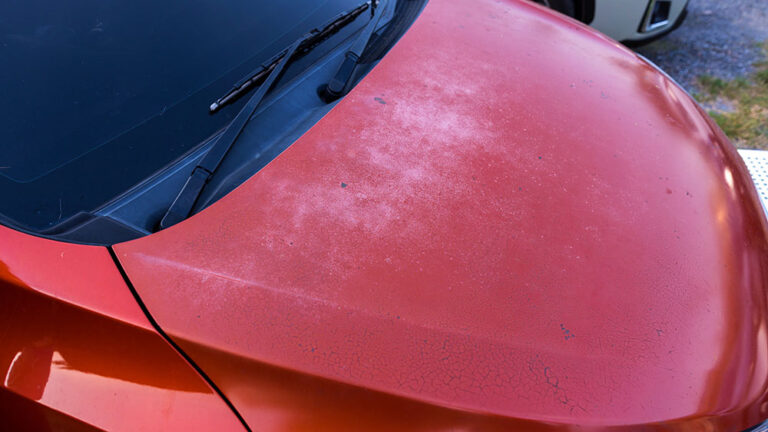
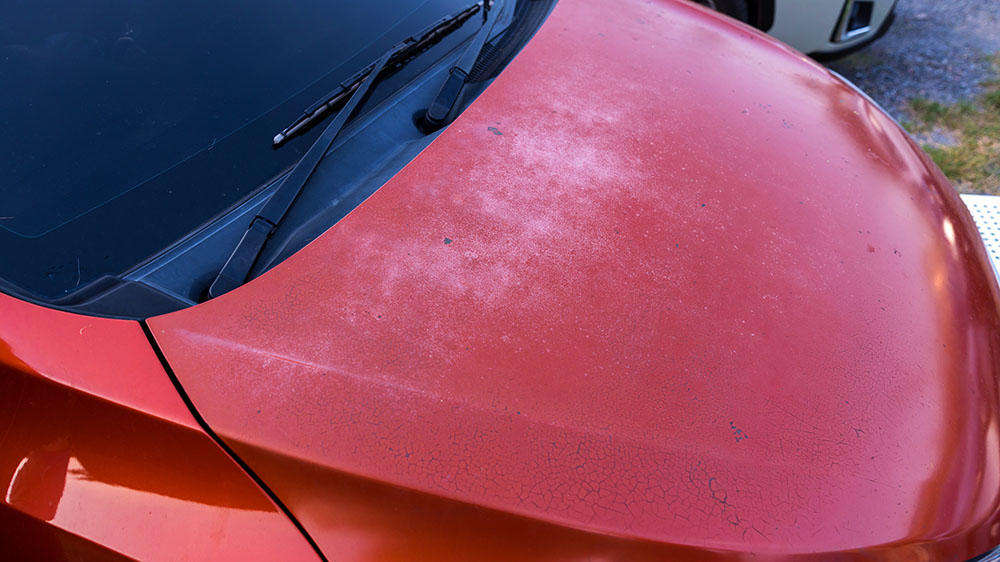
Sunlight is one of several factors that can change the appearance of a vehicle’s finish over time. Ultraviolet exposure and years of outdoor use may gradually affect color and gloss, although the degree of change varies substantially by vehicle, paint system, maintenance history, and exposure.
This can be especially relevant for Santa Rosa drivers whose vehicles are parked outside at home, at work, or during daily errands.
Certain changes are easier to notice than others. Depending on the vehicle, an older finish may appear:
- Slightly lighter or darker than it originally did
- Less vibrant than paint in protected areas
- Different in gloss or clarity
- Unevenly aged between panels with different exposure histories
A freshly refinished panel that exactly reproduces the original factory color formula could therefore stand out next to an aged surrounding panel.
That does not mean every older car requires an unusual paint formula or extensive refinishing. It simply means the existing finish needs to be evaluated as part of the repair.
A simple visual example
Picture a red vehicle that has spent eight years parked outside.
The original factory formula represents how the color was intended to look. But if the surrounding panels have experienced years of sun exposure, painting one repaired door strictly to that original appearance could make the door look slightly different from the rest of the side of the car.
Professional auto paint repair accounts for this possibility rather than assuming the paint code alone guarantees an invisible match.
What Is Paint Blending, and Why Is It Sometimes Used?
Paint blending is a refinishing technique used to help a repaired area transition visually into surrounding paint. Rather than creating an abrupt color boundary at the edge of a repaired panel, the refinishing process may extend color into an adjacent area so small differences become less noticeable.
Whether blending is appropriate depends on the repair, the location of the damage, the color, the vehicle, and applicable refinishing procedures.
It is particularly useful to understand the idea with colors that are difficult to evaluate as a simple flat shade.
Metallic colors
Metallic finishes contain particles that reflect light. Their appearance can change with application technique, light direction, and viewing angle.
A silver panel, for example, might appear close in color when viewed straight on but show a difference from another angle if the metallic appearance is not consistent.
Pearl finishes
Pearl finishes can also produce different visual effects depending on lighting and viewing angle. Matching them may involve more than comparing whether two areas look like the same basic color.
Solid colors
Even a non-metallic color can show a mismatch when an older surrounding finish has changed with age or exposure.
Blending is therefore not simply about “hiding” a repair. When used as part of an appropriate refinishing process, it helps create a more natural visual transition between newly refinished and existing painted surfaces.
The exact refinishing approach should be based on the particular vehicle and repair rather than a one-size-fits-all rule.
How Do Professionals Match Paint After Collision Repair?
Paint matching is a process, not a single measurement. Although specific procedures and equipment vary, collision refinishing generally begins with identifying the vehicle’s original color information and then evaluating that information against the actual vehicle.
A technician may consider the factory color code, available formula variants, the appearance of surrounding panels, and how the color behaves under different lighting conditions.
The process can include several steps:
- Identify the original paint information. The factory color code provides the starting point for selecting the appropriate refinishing formula.
- Evaluate the existing finish. The current vehicle color is compared with the available formula or variants rather than assuming the original specification is an exact visual match.
- Consider age and previous exposure. Differences caused by years of use, outdoor parking, previous refinishing, or other factors may affect the repair plan.
- Prepare and test the selected color as appropriate. Painters can evaluate how a color appears before completing the final refinishing process.
- Determine whether blending is needed. Depending on the location and nature of the repair, transitioning the finish into an adjacent area may help produce a consistent appearance.
- Evaluate the completed finish. Color, gloss, texture, and overall appearance are important parts of the finished result.
This combination of color information, visual judgment, preparation, and refinishing technique is why professional paint repair involves considerably more than ordering paint based on a code printed on the vehicle.
Paint Matching FAQ for Older Vehicles
Can you perfectly match faded car paint?
A professional shop can work toward a close visual match, but the exact result depends on the vehicle’s existing finish, age, color, prior repairs, paint condition, and the area being refinished. Evaluating the surrounding paint and using appropriate blending techniques can help the repaired area integrate more naturally.
Does my VIN tell a body shop the exact current color of my car?
Vehicle information can help identify the original paint specification, but it does not measure how the finish appears after years of exposure and use. The existing paint still needs to be evaluated.
Does sun-faded paint mean the whole car has to be repainted?
Not necessarily. The correct repair area depends on the damage, condition of the finish, color, and desired result. A collision repair does not automatically mean the entire vehicle must be repainted.
Why can the same paint color look different in sunlight and shade?
Lighting affects how we perceive color, and metallic and pearl finishes can look especially different depending on illumination and viewing angle. That is one reason evaluating a paint match under appropriate lighting is important.
Why might an adjacent panel be blended if it was not damaged?
In some repairs, blending into a neighboring panel can create a smoother visual transition between the newly refinished area and the vehicle’s existing paint. Whether that is necessary depends on the specific repair and refinishing requirements.
What if my car was repainted before?
Previous refinishing can affect paint matching because the color currently on a panel may differ somewhat from the original factory specification. A shop should evaluate what is actually on the vehicle when planning the repair.
Good Paint Matching Starts With the Vehicle You Have Today
A factory paint code is valuable, but it tells only part of the story on an older vehicle. Years of sunlight, outdoor parking, previous repairs, finish type, and normal aging can all influence how a color looks when it is time to repair collision damage.
The best approach is to evaluate both the original color information and the finish that is currently on the vehicle, then determine the appropriate refinishing and blending strategy for that particular repair.
If collision damage has left your vehicle needing paint work, Cline Collision Center can evaluate the damaged area and explain the refinishing approach appropriate for your vehicle in Santa Rosa.