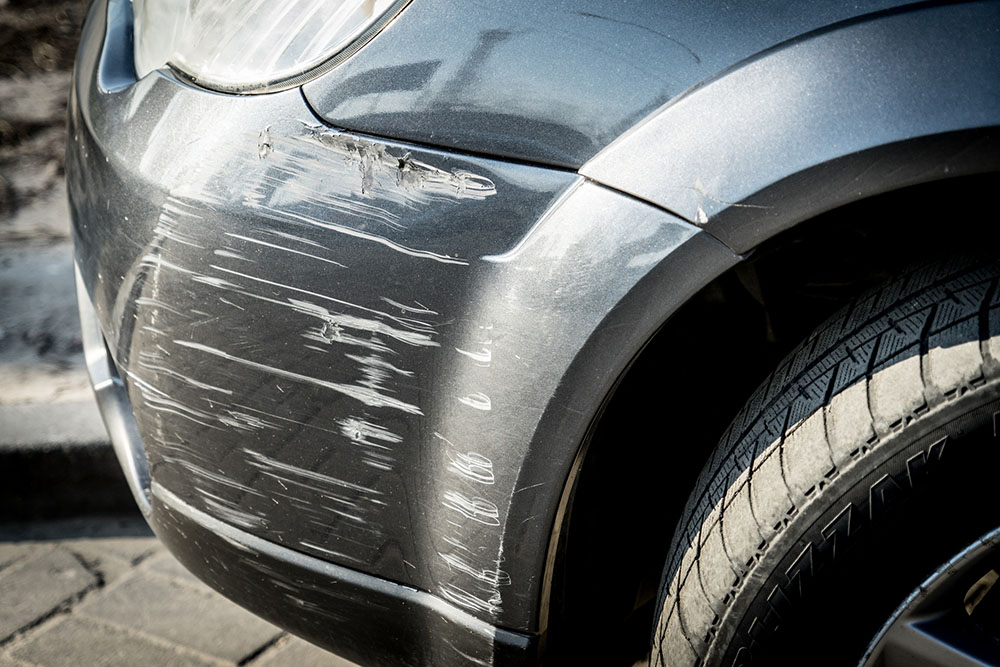
How to Tell Whether a Scratch Is Cosmetic or Needs Body Repair
A car scratch may be cosmetic if it only affects the clear coat and does not expose the colored paint, primer, plastic, or metal underneath. Deeper scratches usually require professional auto body repair or paint damage repair to restore the finish and protect the panel from further deterioration.
A quick depth check can help:
• Faint marks that disappear when wet often involve the clear coat.
• Scratches that catch your fingernail may extend into the color coat.
• Gray, white, black, or metallic material showing through usually indicates deeper damage.
• Rust, cracking, denting, or peeling paint should be inspected by a repair professional.
• Damage near panel edges or body lines may be more involved than it first appears.
Drivers searching for car paint repair near me should consider an inspection when the scratch has exposed the underlying surface, is spreading, or is accompanied by a dent. A qualified shop can determine which layers are damaged and recommend an appropriate repair without relying on guesswork or temporary cosmetic coverups.
Understanding What a Car Scratch Really Damages
Automotive paint is made up of several layers, and the depth of a scratch matters more than its length alone. A long surface scuff may be relatively minor, while a small but deep chip can expose the panel beneath the paint.
Most vehicle finishes include a protective clear coat over the color coat, followed by primer and the panel material. Depending on the location, that panel may be steel, aluminum, fiberglass, or plastic. Knowing which layer has been affected helps determine whether the scratch is mainly an appearance issue or requires professional paint damage repair.
Around Santa Rosa, scratches commonly come from tight parking spaces, shopping carts, roadside brush, loose gravel, and debris kicked up during daily commutes. Even when the damage looks small, examining it in good lighting can reveal whether it extends beyond the surface.
How to Identify a Clear Coat Scratch
Clear coat scratches affect the transparent outer layer that protects the vehicle’s color. They often appear as light, hazy, or whitish marks and may be especially noticeable under direct sunlight.
These scratches typically do not reveal a different color underneath. When the area is wet, the mark may temporarily become less visible because the water fills the shallow surface irregularities. That can suggest the damage is limited to the upper layer, although it is not a definitive diagnostic test.
Common signs of clear coat damage include:
- Fine swirl marks visible under bright light
- Light scuffs from branches, clothing, or car-wash contact
- A scratch that does not strongly catch a fingernail
- No exposed primer, plastic, or metal
- No surrounding dent, cracking, or paint separation
Some shallow defects may be correctable through professional polishing or refinishing techniques. However, aggressive DIY sanding or polishing can remove too much clear coat and create a larger repair area. When the depth is uncertain, a paint specialist can evaluate the finish before additional material is removed.
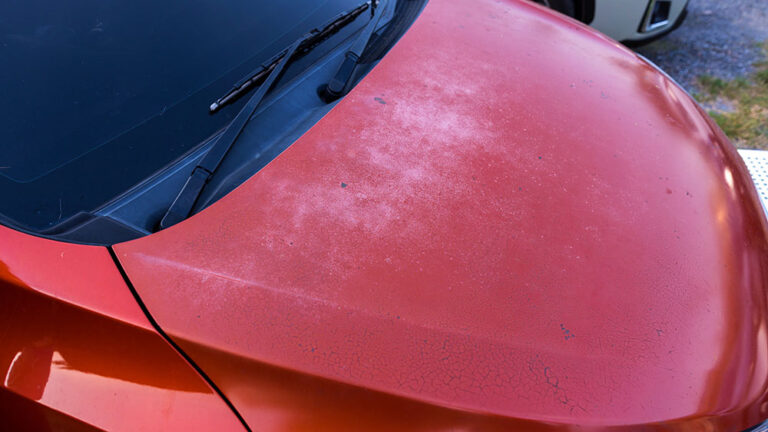
It is also worth distinguishing scratches from heat- or UV-related deterioration. Fading, oxidation, and clear coat failure may require a different approach than an isolated scrape. Our guide to prioritizing sun, heat, and paint damage explains how those conditions can affect repair decisions.
Signs a Scratch Has Reached the Paint or Primer
A scratch becomes more significant when it cuts through the clear coat and into the vehicle’s color layer. These marks often remain visible when wet and may have sharper edges than a shallow surface scuff.
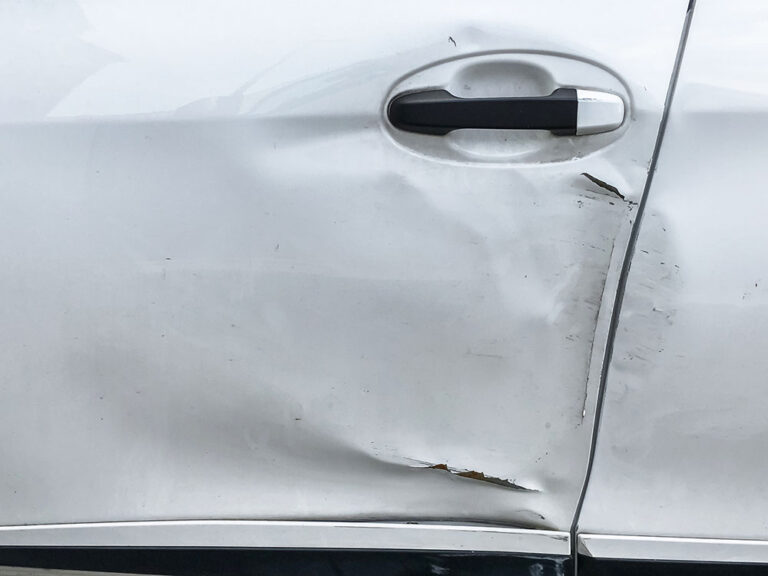
If your fingernail catches distinctly in the scratch, deeper layers may be affected. You might also see a lighter primer color, a dark plastic substrate, or a metallic surface beneath the paint. The appearance varies by vehicle, panel material, and paint system, so color alone should not be treated as a guaranteed test.
Signs that professional car paint repair may be appropriate include:
- The scratch is visibly deeper than the surrounding finish
- The vehicle’s color is missing within the damaged line
- Primer or bare panel material is exposed
- Paint is chipped, cracked, flaking, or lifting
- Moisture appears to be getting beneath the paint edge
- The damage is located on a panel edge, crease, or body line
Exposed steel can begin developing corrosion when moisture and contaminants reach the surface. Aluminum does not rust in the same way as steel, but exposed aluminum can still oxidize and may require material-specific repair procedures. Plastic bumper covers will not rust, though deep gouges can still require filling, refinishing, or replacement depending on the extent of the damage.
Professional automotive painting and refinishing services may involve more than applying color to the visible scratch. The damaged area generally needs to be prepared properly so the repaired finish adheres, blends with the surrounding paint, and receives suitable protection.
When a Scratch Also Requires Body Repair
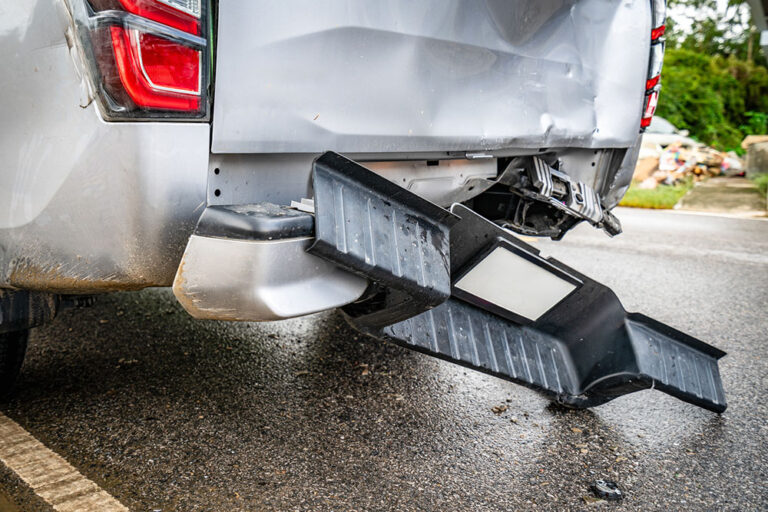
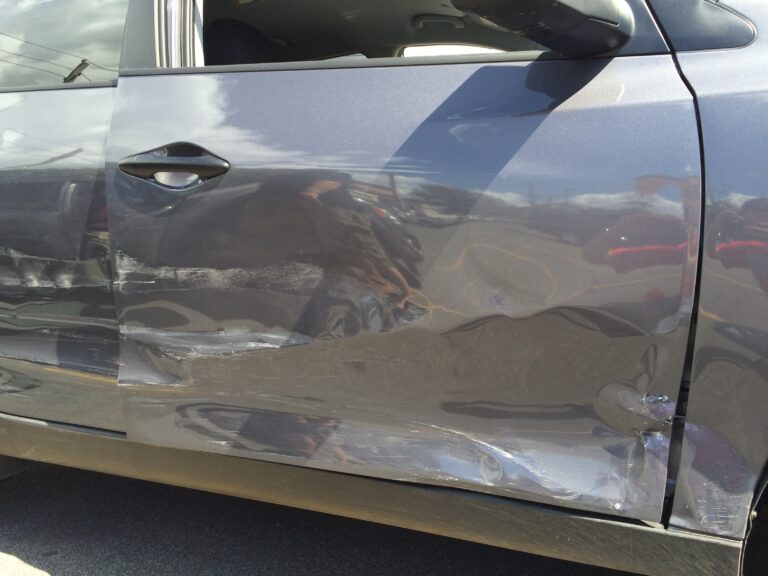
Some scratches are part of a larger impact. A parking-lot scrape, contact with a post, or road debris strike may damage both the paint and the shape of the panel.
Look at the reflection across the scratched area from several angles. Wavy reflections, uneven gaps, shallow depressions, or raised edges may indicate that the panel has been distorted. Damage around a door edge, wheel opening, bumper corner, or sharp body line can also be more complex than a flat-panel scratch.
A professional inspection is especially helpful when you notice:
- A dent or crease beneath the scratch
- Misalignment between adjacent panels
- Cracks or splits in a bumper cover
- Loose trim, lamps, sensors, or mounting points
- Paint damage near a camera or parking sensor
- A door, hood, liftgate, or trunk that no longer closes normally
- Signs of corrosion around older damage
When paint remains intact over a minor dent, paintless dent repair may sometimes be considered. Once the paint is broken or deeply scratched, conventional refinishing may also be necessary.
The correct approach depends on the panel material, damage location, paint condition, and manufacturer repair information. A shop may recommend professional dent removal options when reshaping the panel is required before the finish can be restored.
A Simple Depth-Based Decision Guide
You do not need specialized equipment to perform an initial visual check, but the goal should be to identify warning signs rather than diagnose the exact repair method at home.
Start by washing and drying the area gently. Dirt and paint transfer can make a scratch look deeper than it is, while debris rubbed across the surface can create additional marks. Inspect the damage outdoors in indirect daylight and again under a bright light from an angle.
Use this general decision guide:
Level 1: Light Surface Mark
The mark is faint, does not catch your fingernail, and shows no missing color. It may be limited to the clear coat or may involve transferred material from another object.
A professional detailer or repair shop may be able to determine whether careful correction is appropriate.
Level 2: Noticeable Paint Scratch
The mark catches your fingernail, remains obvious when wet, or appears to have removed some color. The underlying primer or panel is not clearly visible.
This level may need localized paint damage repair, depending on its depth, location, and surrounding finish.
Level 3: Exposed Primer, Plastic, or Metal
A contrasting layer is visible inside the scratch. The damage may look gray, white, black, or metallic, depending on the vehicle and panel.
Prompt professional inspection is sensible because the finish is no longer fully protecting the underlying surface.
Level 4: Scratch With Denting or Structural Symptoms
The panel is creased, pushed inward, cracked, misaligned, or no longer functions normally. Nearby components may also be affected.
This is no longer just a paint issue. A complete auto body damage assessment can help identify the visible and less obvious repairs that may be needed.
Online searches for “car paint repair near me” can produce many different service types, from detailing to collision repair. Choose the service based on the depth and condition of the damage rather than the size of the scratch alone.
Protect the Finish by Addressing the Right Layer
A cosmetic clear coat mark and a scratch that exposes bare material should not be treated as the same type of damage. Checking whether the scratch catches a fingernail, reveals another layer, or sits over a dent can help you decide whether to monitor it or arrange an inspection.
Avoid applying an abrasive product before you understand how deep the damage goes. Removing additional clear coat or covering contamination can make later refinishing more complicated.
For drivers in Santa Rosa, CA dealing with scratches from parking lots, road debris, or everyday commute wear, Cline Collision Center can inspect the affected area and explain whether the vehicle needs paint correction, refinishing, dent repair, or more complete body work.