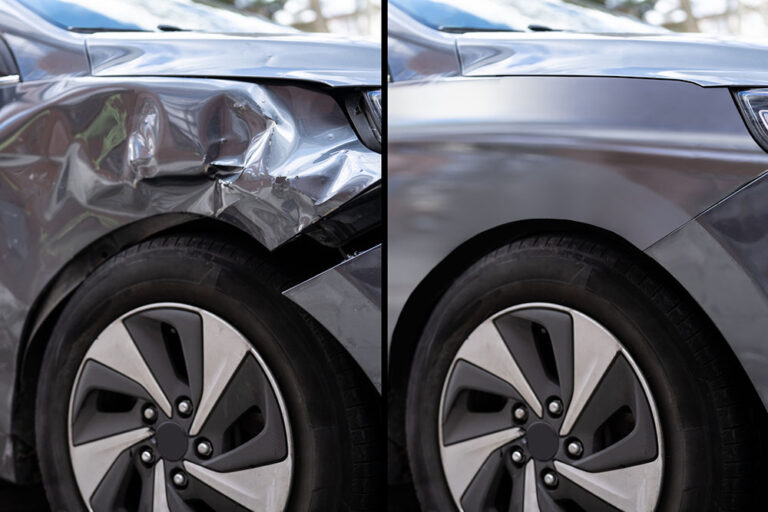
What to Bring With You for a Collision Repair Estimate
For a collision repair estimate, bring any information that helps the repair shop understand your vehicle, the damage, and—if insurance is involved—the status of your claim. Having these details ready can make the estimate appointment more efficient and reduce the need to track down information afterward.
A useful pre-appointment checklist includes:
• Your vehicle, keys, and basic vehicle information
• Photos of the accident damage, especially pictures taken before the vehicle was moved or cleaned up
• Your auto insurance company and policy information
• Your insurance claim number, if a claim has already been opened
• The adjuster’s name and contact information, when available
• Any estimate, inspection notes, or claim documents you have already received
You do not need to know exactly what repairs your vehicle needs before getting an auto body estimate. The repair facility will inspect the visible damage and document what it can see. Also keep in mind that an initial estimate may change if additional accident-related damage becomes apparent during the repair process.
Preparing for an Auto Body Estimate Makes the Appointment Easier
After a collision, getting an estimate is often one of the first steps toward figuring out what happens next. Fortunately, you do not need to arrive with a folder full of paperwork or understand every detail of the insurance process.
A little preparation can still help. Whether you are paying for repairs yourself or handling an insurance claim, bringing the right vehicle, accident, and claim information gives the estimator a clearer starting point.
For drivers scheduling an estimate in Santa Rosa, the goal is simple: provide what you already have and let the repair professionals handle the vehicle inspection from there.
What Vehicle Information Should You Bring?
Your vehicle itself provides much of the information an estimator needs, but having a few basic details readily available can help with identification and documentation.
Useful information may include your:
- Vehicle year, make, and model
- Vehicle identification number (VIN)
- Current mileage
- License plate number
- Registration, when available
The VIN is especially useful because vehicles that appear similar can have different trim levels, options, safety systems, or equipment. Accurate vehicle identification helps a repair facility determine which information applies to your specific vehicle.
You should also bring your keys and, whenever the vehicle is safe and legal to drive, the vehicle itself. An auto body estimate generally requires an in-person look at the damaged areas rather than relying only on accident photos.
If your car has more significant collision damage, a thorough evaluation may eventually involve more than what is visible during the first inspection. That is one reason repair costs sometimes change after an initial estimate.
Which Accident Photos Are Helpful for a Collision Repair Estimate?
Photos can provide useful context, particularly when they show what the vehicle looked like immediately after the collision. They are helpful documentation, but they are not a substitute for inspecting the vehicle itself.
If you took pictures at the accident scene, consider bringing or having access to photos showing:
- Wide views of the damaged side or area of the vehicle
- Closer pictures of dents, scrapes, cracked parts, or broken lights
- Multiple angles of the damage
- Damage to other involved vehicles, when relevant to your records
- The vehicle’s position or surrounding scene, if you safely documented it
- Any damage that has changed since the accident
Don’t worry if you did not take photographs. An estimator can still inspect the vehicle in its current condition.
It is also unnecessary to photograph every scratch from inches away. A combination of wider shots and closer detail photos is usually more useful because it provides both context and detail.
For drivers trying to understand the broader repair process, Cline’s information about collision and auto body repair in Santa Rosa explains what professional body repair can involve beyond the initial visual assessment.
What Insurance Information Should You Have Ready?
If the repair is connected to an insurance claim, bringing your claim information can make communication easier. The specific documents available will depend on how far along you are in the claims process.
Helpful information includes your insurance company’s name, your claim number, and the adjuster’s contact information if one has been assigned. If your insurer has already provided an estimate or other claim documentation, keep that available as well.
For an insurance claim auto body repair, you may have:
- A claim number
- Your policy information
- An adjuster’s name, phone number, or email
- An insurance estimate
- Photos submitted through the insurer
- Messages or instructions related to the claim
If you have not opened a claim yet, that does not necessarily prevent you from getting a collision repair estimate. You can explain the situation to the repair facility and provide the information you currently have.
Similarly, do not worry if the insurance estimate and repair facility’s estimate do not look identical at first. Estimates can be prepared at different stages and with different information available. Once repairs begin, additional accident-related damage may also become visible after damaged components are removed.
A Simple Pre-Appointment Estimate Checklist
You do not need to turn estimate preparation into another stressful task. Before leaving for your appointment, a quick review can help make sure the most useful information is with you.
Collision repair estimate checklist:
- Bring the damaged vehicle if it is safe and legal to drive
- Bring the vehicle keys
- Have your VIN or vehicle registration available
- Save any accident photos where they are easy to access
- Bring your insurance company and policy details if insurance is involved
- Have your claim number available if a claim is already open
- Save your adjuster’s contact information, if assigned
- Bring any insurance estimate or claim documents you have received
- Make a note of questions you want to ask during the appointment
It can also help to mention anything you have noticed since the collision. For example, if a door no longer opens normally, a warning light appeared, or something seems different after the impact, tell the estimator rather than assuming it is obvious.
That does not automatically mean every concern is collision-related. It simply gives the repair professional more information to consider while inspecting the vehicle.
What Happens at a Santa Rosa Collision Repair Estimate?
During an estimate appointment, the repair facility will typically focus on identifying and documenting the damage that can reasonably be assessed at that stage. The information you bring supports that inspection rather than replacing it.
If insurance is involved, your claim information can also help establish what documentation already exists and who may need to be contacted as the repair process moves forward.
An important distinction is that an estimate is an informed assessment based on the information available at the time. Collision damage can extend behind bumpers, panels, trim, or other components, so not every repair need can always be confirmed from an exterior inspection alone.
If you are preparing for an estimate in Santa Rosa, having your vehicle details, photos, and insurance information organized beforehand allows more of the appointment to stay focused on your car and your questions. You can also review the local auto body shop and repair information before scheduling if you want a better idea of where to start.
Arrive Prepared, but Don’t Worry About Having Everything
Preparing for a collision repair estimate does not require you to understand collision repair or insurance procedures yourself. Bring the information you already have—especially your vehicle details, accident photos, insurance information, and claim number—and be ready to explain what happened and what you have noticed since the collision.
If something is missing, such as an adjuster’s contact information or accident photos, you can still discuss the next steps with the repair facility.
For Santa Rosa drivers who are ready to have their vehicle damage evaluated, Cline Collision Center can help you start with an estimate appointment and understand what information is useful for moving forward.